

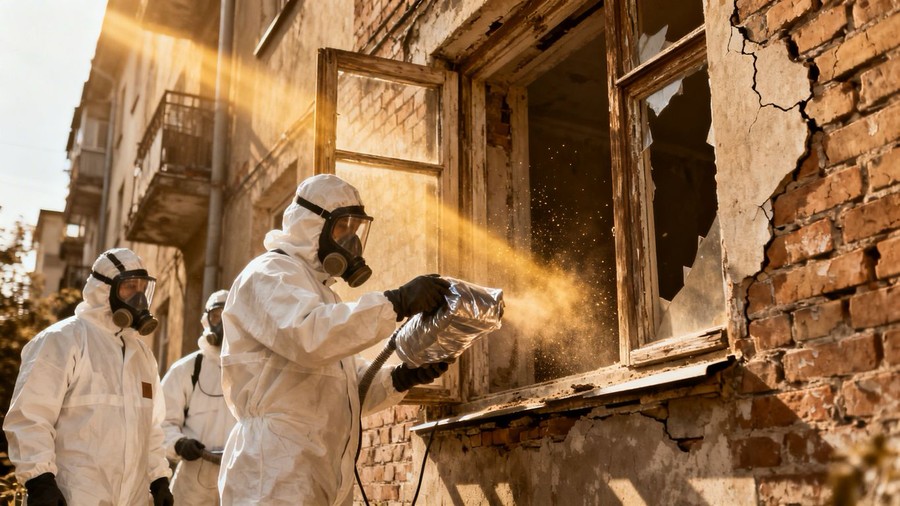
The Pervasive Presence of Asbestos in Older Structures
Many apartment buildings constructed before the 1980s likely contain asbestos-containing materials. This substance was widely used for its fire-resistant and insulating properties in a variety of building components. The danger arises when these materials are disturbed, releasing microscopic fibers into the air. These fibers, once inhaled, can embed themselves in the lining of the lungs and other organs, leading to serious health issues years later.
Historical Use of Asbestos in Construction Materials
From the late 1800s through the 1980s, asbestos was a common additive in thousands of products. In construction, it was mixed into:
- Insulation for pipes and attics
- Ceiling and floor tiles
- Textured paints and coatings
- Cement sheets and roofing shingles
Its strength and heat resistance made it seem like an ideal material, but the long-term health consequences were not fully understood or disclosed by manufacturers for many years. This widespread use means that many older residential structures still harbor this hazardous substance.
Legacy Asbestos and Ongoing Exposure Concerns
Asbestos is considered “legacy asbestos” when it remains in place in older buildings. It poses little risk if left undisturbed. However, activities such as renovations, repairs, or even natural wear and tear can break down these materials. This breakdown releases asbestos fibers into the living environment. Residents in older apartment buildings may face ongoing exposure risks, especially if maintenance or renovations are not handled with proper precautions. Even low levels of exposure over time can contribute to health problems, and there is no known safe threshold for asbestos exposure. If you are concerned about potential exposure, seeking professional advice is a good step for asbestos information.
How Asbestos Exposure Occurs in Residential Settings
Disturbance of Asbestos-Containing Materials
Asbestos fibers are not typically harmful when they are contained within a product and left undisturbed. The danger arises when these materials are damaged or altered, which releases microscopic fibers into the air. Once airborne, these fibers can be easily inhaled or ingested by building occupants. This disturbance can happen through various means:
- Wear and Tear: Over time, building materials can degrade naturally due to age and environmental factors. This gradual breakdown can lead to the release of asbestos fibers.
- Accidents and Natural Events: Fires, floods, or even minor impacts can compromise asbestos-containing materials, making them friable (easily crumbled) and prone to releasing fibers.
- Maintenance and Repairs: Routine tasks like cleaning, dusting, or minor repairs can inadvertently disturb asbestos if the person performing the task is unaware of its presence.
Common Locations for Asbestos in Homes
Older apartment buildings, especially those constructed before the 1980s, may contain asbestos in a variety of building components. Awareness of these common locations is the first step in identifying potential risks:
- Insulation: Vermiculite attic insulation is a notable example, often appearing as small, pebble-like granules. Asbestos was also used in pipe wrap and insulation around furnaces and boilers.
- Flooring and Ceilings: Vinyl floor tiles, the adhesive used to secure them, and the backing of sheet vinyl flooring can contain asbestos. Textured paints and ceiling materials, often referred to as ‘popcorn ceilings,’ are also common sources.
- Walls and Roofing: Asbestos cement sheets were used for interior and exterior walls, as well as roofing and siding shingles. Drywall, joint compounds, and patching materials used in walls and ceilings might also contain asbestos.
The Role of Renovations and Building Decay
Renovation projects are a significant contributor to asbestos exposure in residential settings. Activities such as drilling, cutting, sanding, or demolition during remodeling can vigorously disturb asbestos-containing materials, releasing large quantities of fibers into the air. Even seemingly minor tasks, like scraping old paint or replacing a light fixture in an older ceiling, can pose a risk if asbestos is present. Furthermore, the natural decay of building materials over decades, especially in neglected or poorly maintained structures, can lead to the gradual release of asbestos fibers without any active human intervention. The silent degradation of building materials over time presents an ongoing, often unnoticed, risk to residents.
Health Implications of Asbestos Exposure
The Link Between Asbestos and Mesothelioma
Mesothelioma is probably the scariest disease associated with asbestos. When people constantly breathe in asbestos fibers, they can eventually develop this rare and aggressive form of cancer. Mesothelioma affects the lining of the lungs or abdominal cavity, and it doesn’t need a huge amount of exposure for damage to begin. While many cases pop up in folks who worked with asbestos directly, families and others who just lived in contaminated buildings or areas can also get sick. People exposed decades ago can suddenly be diagnosed, sometimes catching everyone off guard.
Other Asbestos-Related Diseases
The damage from inhaling asbestos goes beyond just mesothelioma. Common diseases connected to breathing in those tiny fibers include:
- Asbestosis—a tough, long-term lung condition causing scarring and breathing problems.
- Lung cancer, which often develops after chronic exposure and is even worse for smokers.
- Pleural plaques or pleural thickening, where the lining around your lungs stiffens up over time, making it harder to breathe.
Asbestos can also contribute to cancers in the larynx and ovaries, and it causes milder problems like pleural effusions (fluid around the lungs) or straight-up persistent cough and chest pain. The risks stack up the longer you’re exposed and if you have other habits like smoking. For a breakdown of how prolonged exposure leads to conditions like asbestosis, see this summary on inflammation and scarring of lung tissues.
Latency Period of Asbestos-Related Illnesses
One of the trickiest things about asbestos diseases is they don’t show up right away. Symptoms often take years or even decades to appear. Most folks won’t notice anything until they’re far past the exposure. It’s not unusual for symptoms like shortness of breath, long-term cough, or fatigue to only start showing 20 to 50 years later. That delay is why asbestos illnesses can be so tough to track down—people often forget about living in an old building, switching jobs, or that time they helped with a dusty home project. The sneaky, long latency is partly why safety experts keep warning people about the ongoing risk in older apartment buildings and homes.
Identifying and Mitigating Asbestos Risks
Professional Asbestos Testing and Inspection
Spotting asbestos in apartments isn’t as simple as checking for a label or a certain color. The only way to know for sure if a material contains asbestos is with laboratory testing, handled by licensed professionals. Most people can’t tell if something has asbestos just by looking at it, and honestly, trying to take a sample without training is asking for trouble. Professionals follow steps like:
- Conducting a thorough inspection to flag potential asbestos-containing materials, especially in buildings constructed before the 1980s.
- Carefully collecting samples without releasing fibers into the air.
- Sending materials to certified labs where microscopic analysis decides if asbestos is actually present.
In this case, skipping the DIY route and bringing in experts is truly a safety decision, not just a convenience.
Safe Handling and Abatement Procedures
If asbestos is discovered and it needs to be removed (or even just sealed up), there’s a controlled process for that—one designed to stop dangerous fibers from spreading through the building. Proper asbestos abatement isn’t a one-size-fits-all deal. Here’s what professionals generally do:
- Isolate the work area before disturbing anything, usually with plastic sheeting and warning signs.
- Use specialized equipment to keep dust and particles from becoming airborne.
- Remove or seal materials while wearing protective suits and respirators.
- Bag up waste in approved containers and dispose of it following local or state rules—it never goes in regular trash.
The main takeaway: never try removing asbestos on your own. In some cases, encapsulation (sealing the material in place) is safer than full removal.
Preventative Measures for Residents
If you live in an older apartment, there are steps you can take to keep yourself and your household safer:
- Don’t touch, drill into, or scrape older ceiling tiles, insulation, or flooring if you don’t know what’s in them.
- Report damaged materials—like crumbling floor tiles or pipes with torn insulation—to building management immediately.
- Ask about asbestos testing records or known hazards when moving in or before beginning renovations.
- Make sure any repair or remodeling is handled by licensed professionals.
For most folks, minimizing disturbances is the easiest way to avoid accidental exposure. Stay alert for signs of wear and always ask for help if something seems off, especially with old materials. Doing a little now can spare a lot of trouble later.
Environmental Factors Contributing to Exposure
Mesothelioma isn’t just a workplace issue—environmental factors can quietly play a surprisingly large role in exposure risks. Asbestos in the environment sticks around far longer than you might expect, and living near contaminated areas can put residents at risk without even realizing it.
Contaminated Soil and Nearby Industrial Sites
People sometimes overlook the threat of asbestos in soil, especially in neighborhoods built close to old factories, processing plants, or even mines. If asbestos is present in the ground or surrounding areas, winds or soil disturbance can release fibers into the air, making them easy to breathe in. Here’s how these risks may show up:
- Builders may have used waste from asbestos plants as fill dirt around homes
- Nearby former industrial sites can spread tiny fibers for years if not cleaned up
- Outdoor activities like gardening or kids playing in the yard could unknowingly kick up dust
In places where there’s a history of manufacturing, it’s worth getting a professional asbestos inspection if there are concerns. For example, expert services in Kitchener can help identify hidden asbestos threats.
The Impact of Natural Disasters and Fires
Natural events don’t discriminate. Floods, hurricanes, and fires can all disturb building materials and soil, dispersing asbestos fibers far from their original location. When a disaster hits:
- Roofs, flooring, or insulation can be broken apart, sending fibers airborne
- Water can carry contaminated debris into previously unaffected areas
- Emergency cleanups done without protection can expose both residents and workers
It’s important for anyone returning home after a disaster to watch out for unusual dust and to seek professional help before starting major cleanup to reduce the risk of exposure.
Understanding Indirect and Secondhand Exposure
It’s not only those living or working in contaminated buildings that need to worry—secondhand exposure is real. A person can bring asbestos fibers into their apartment just from washing a loved one’s dusty work clothes. Indirect exposure happens more often than most realize:
- Family members of industrial workers may unknowingly inhale fibers brought home
- Regular visitors—babysitters, home aides—might pick up fibers from surfaces
- Maintenance workers handling older insulation or tiles can accidentally stir up asbestos
Secondhand contact can lead to asbestos-related diseases even decades after the initial exposure. That’s why it’s important for families to keep open conversations about workplace risks and to take steps like separate laundry handling if someone might have contact with asbestos at their job.
By looking closely at these environmental factors, people living in apartment buildings, particularly those built decades ago, can be more aware and proactive about reducing their risk.
Legal and Regulatory Frameworks
Regulations around asbestos have changed a lot over the years. Governments and agencies have made laws and rules to help reduce the risks, but things can still get confusing—especially for residents in older apartment buildings. This section covers the history of asbestos regulations, where to find good information, and steps for people seeking compensation.
Historical Regulations on Asbestos Use
Asbestos was considered useful for decades because it was cheap and fire-resistant, but early medical reports showed it could be dangerous. The first signs of problems showed up in the 1920s and 1930s. Even so, asbestos was packed into construction materials right up through the 1970s and 1980s.
Key changes in asbestos rules include:
- The EPA (Environmental Protection Agency) set rules in the 1970s to limit exposure to asbestos at work and at home.
- OSHA (Occupational Safety and Health Administration) also set limits on how much asbestos workers can breathe in throughout the workday.
- In 2019, a new EPA rule required companies to get government approval before bringing back older asbestos-related products, like vinyl floor tiles and roofing materials, that weren’t already on the market.
- The EPA finalized a ban on chrysotile asbestos in 2024, though some forms are still legal in the US.
Despite all these steps, most older apartment buildings were built before strong regulations kicked in, so there are still lots of hidden risks.
Resources for Asbestos Information and Safety
Several resources are out there for people who want to learn more about asbestos or need help figuring out what to do. Residents and property managers can visit or contact:
- The EPA’s website for details about rules and safe asbestos practices.
- State or local health departments, which often provide fact sheets, safety tips, or lists of certified asbestos inspectors.
- The Agency for Toxic Substances and Disease Registry (ATSDR) for clear, simple guides on asbestos.
- Non-profit organizations such as the Asbestos Disease Awareness Organization (ADAO) for educational materials and support groups.
Seeking Compensation for Asbestos-Related Illnesses
People who get sick after asbestos exposure may be able to get compensation, but this process isn’t always clear or quick. Here’s what residents or family members can do:
- Gather all records of exposure, including where and when contact with asbestos may have happened.
- Get a formal diagnosis from a medical professional confirming the asbestos-related illness, like mesothelioma.
- Contact a lawyer experienced in asbestos cases or reach out to legal aid groups.
- Check if there are asbestos trust funds set up by companies that manufactured or used asbestos, and see if filing a claim is possible.
- Keep all paperwork organized—insurance documents, medical scans, legal papers—and make copies for safety.
Following these steps helps people navigate the process, especially since each case depends on the specifics of the exposure, when it happened, and state laws. Regulations exist to protect people, but actually using them usually takes some time, patience, and a little bit of help from the right resources.
