

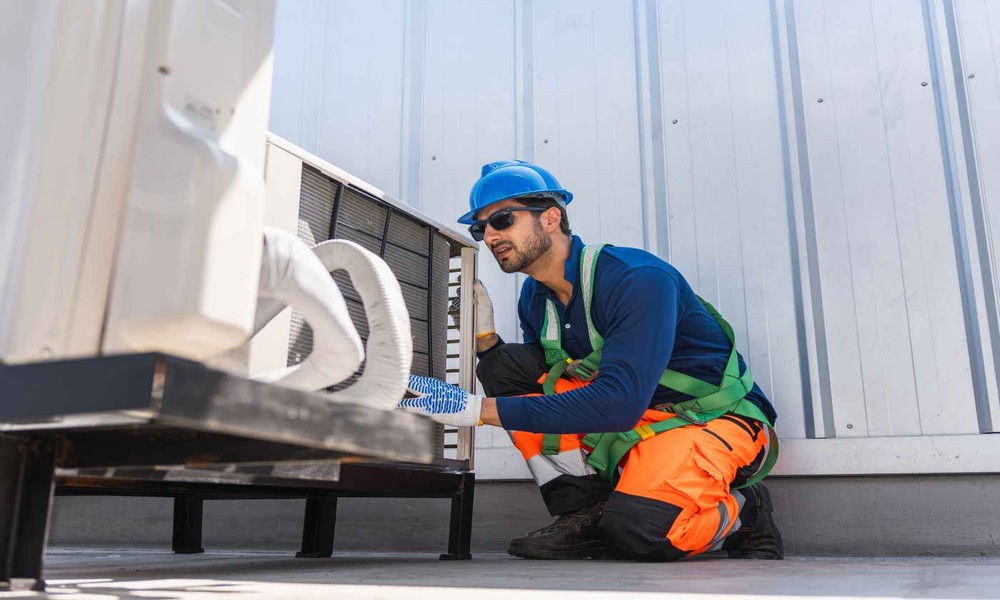
Installing a new air conditioning system represents a significant investment in home comfort and energy efficiency. Yet many homeowners focus exclusively on selecting the right unit while overlooking the ductwork that must deliver conditioned air throughout their homes. Even the most advanced, efficiently rated air conditioner will underperform if connected to a duct system riddled with problems that should have been identified before installation.
Comprehensive duct inspection before AC installation protects homeowners from disappointment when their expensive new systems fail to deliver expected results. Understanding why this assessment matters helps buyers appreciate its value as part of professional installation services.
Identifying Hidden Leaks and Damage
Ductwork problems often remain invisible until they compromise system performance. Leaks at seams, connections and damaged sections allow conditioned air to escape into attics, crawl spaces and wall cavities before reaching living areas. Research indicates that leaky ducts can waste a substantial portion of cooled air, forcing systems to work harder while delivering less comfort.
Professional inspection using specialized equipment reveals issues that visual examination alone cannot detect. Pressure testing identifies air loss throughout the system while camera inspection examines interior conditions in sections hidden behind walls or buried under insulation. These diagnostic approaches locate problems precisely, enabling targeted repairs.
Addressing duct leaks before installing new equipment ensures the investment in efficient air conditioning translates into actual energy savings. Connecting high-efficiency systems to leaky ductwork wastes the efficiency premium buyers paid for and leaves them wondering why utility bills remain higher than expected.
Assessing Duct Sizing and Design
Proper airflow depends on ductwork sized appropriately for the equipment serving it. Undersized ducts restrict airflow, forcing systems to strain against resistance while delivering inadequate cooling to distant rooms. Oversized ducts can create different problems, including velocity issues that affect air distribution and comfort.
Duct design affects how evenly conditioned air reaches different areas of homes. Systems with improper layouts may adequately cool some rooms while leaving others uncomfortable, regardless of thermostat settings. Inspection reveals whether existing ductwork can support new equipment or whether modifications will be necessary.
Choosing companies like Texas Ace Service – Heating & Air ensures a comprehensive evaluation that includes duct assessment as part of the installation process. Professional contractors understand that successful installations require compatible ductwork and evaluate these systems before recommending equipment or providing installation estimates.
Evaluating Insulation Condition
Ducts running through unconditioned spaces like attics require insulation to prevent heat transfer that compromises efficiency. Conditioned air traveling through inadequately insulated ducts absorbs heat from surrounding spaces before reaching registers, arriving warmer than it left the air handler.
Insulation deteriorates over time from age, moisture exposure and pest damage. What originally provided adequate protection may have degraded to the point of minimal effectiveness. Inspection reveals insulation condition throughout accessible duct runs, identifying areas needing repair or replacement.
Addressing insulation deficiencies alongside new AC installation maximizes the efficiency benefits modern equipment provides. Homeowners who invest in high-efficiency systems deserve ductwork capable of delivering conditioned air at design temperatures rather than losing cooling capacity through poorly insulated distribution systems.
Detecting Contamination and Obstructions
Years of operation accumulate dust, debris and potentially biological contaminants within ductwork. Excessive buildup restricts airflow while degrading indoor air quality as systems circulate particles throughout living spaces. Inspection reveals whether cleaning should accompany installation or whether duct conditions remain acceptable.
Pest intrusions create particularly problematic contamination that inspection can identify. Rodents and insects leave behind waste products and materials that contaminate airflow while potentially damaging duct components. Discovering these issues before installation allows proper remediation rather than circulating contaminants through newly installed systems.
Obstructions from collapsed duct sections, disconnected joints or foreign objects impede airflow in ways that affect system performance significantly. Inspection identifies these blockages so repairs can restore proper air distribution before new equipment begins operation.
Ensuring Proper Connections and Integration
New air conditioning systems must connect seamlessly with existing ductwork to function as designed. Inspection verifies that connection points, plenums and transitions can accommodate new equipment without modifications that add cost and complexity to installation projects.
Incompatibilities between new systems and existing ductwork discovered during installation create delays, unexpected expenses and compromised results. Pre-installation inspection identifies these issues when planning can address them properly, rather than when installers must improvise solutions under time pressure.
Return air pathways require particular attention since inadequate return capacity forces systems to work against pressure imbalances that reduce efficiency and accelerate wear. Inspection confirms that return ductwork can support new equipment requirements.
Protecting the Installation Investment
The relationship between air conditioning equipment and the ductwork serving it determines whether installations succeed or disappoint. Investing in quality equipment while neglecting duct assessment risks outcomes that fall short of expectations and leave homeowners frustrated with purchases that should have delivered excellent results.
Professional installation services that include duct inspection demonstrate commitment to customer satisfaction, extending beyond simply installing equipment. These comprehensive approaches protect homeowner investments by ensuring all system components work together effectively. The modest additional time required for proper duct evaluation prevents the significant problems that oversight allows.
