

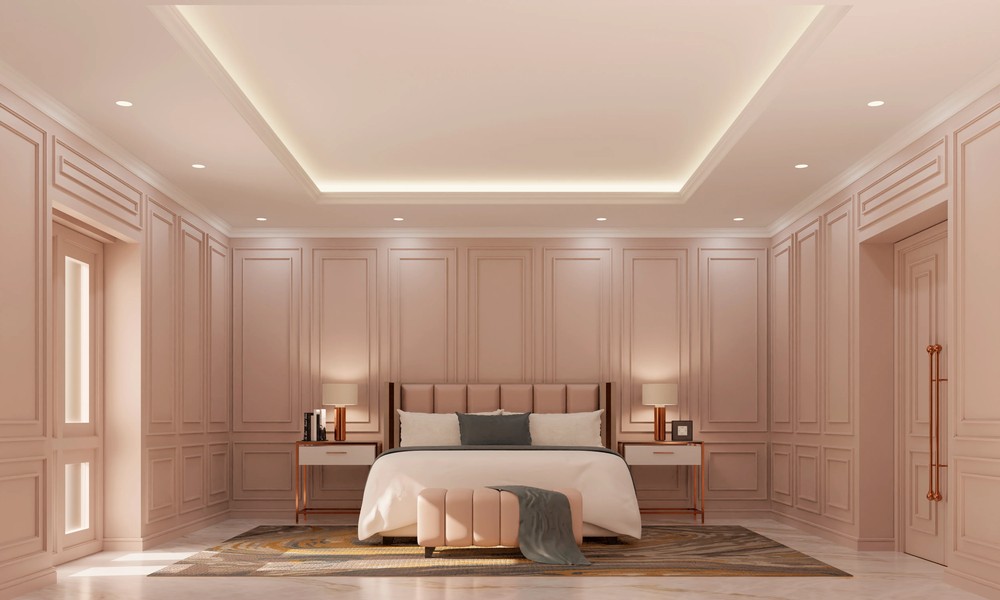
The colors you wake up to every morning influence your mood more than most people realize. The colors you fall asleep around influence how well you actually sleep. Research over the past two decades has clarified what designers have long suspected. Color choices in the bedroom carry real consequences for rest and recovery. They also shape the way you feel when the alarm goes off.
For anyone struggling with sleep or simply hoping to make a bedroom feel more restful, color is one of the most accessible design tools available. Paint costs little compared to most furniture investments. Swapping bedding takes minutes. The cumulative effect of getting the color palette right can rival much more expensive interventions.
Why Color Affects Sleep
Color works on the human nervous system through both psychological association and direct biological response. Warm colors like red and orange tend to raise heart rate and stimulate the sympathetic nervous system. Cool colors like blue and green tend to lower heart rate and signal the body that it’s safe to rest.
These effects are subtle but measurable. Studies tracking heart rate and blood pressure in rooms of different colors have consistently shown that cool palettes produce calmer physiological responses. The effect is strongest when people are exposed to a color for extended periods, which makes the bedroom a particularly important room to design carefully.
Beyond physical responses, color carries cultural and personal associations that shape how a space feels. A room that reminds you of a beloved childhood place will likely feel more restful than one with no emotional anchor. The right colors do both kinds of work at once.
The Best Colors for Sleep
Blue is the clear winner across most studies of bedroom color and sleep quality. Soft pale blues seem to lower blood pressure and slow the heart rate of the people sleeping in them. The color also encourages the brain to associate the space with calm rather than stimulation.
The ideal blue for a bedroom is muted rather than saturated. Bright primary blues can feel cold or even slightly anxiety-inducing. Look for blues with gray undertones or soft mineral qualities. The colors of weathered driftwood and faded denim work beautifully. Soft seaside fog is another reliable starting point.
Green follows blue closely for sleep-friendly properties. Sage green and eucalyptus both work beautifully. Other muted greens connect the bedroom to nature in a way that promotes relaxation.
Warmer-leaning neutrals make excellent foundations. Soft warm whites with hints of cream or oat work as the perfect canvas for layered accents. Light gray with warm undertones avoids the cold institutional feel that pure gray can produce.
Reading the Research and the Real-World Results
The studies on color and sleep are compelling but each room is also unique. Light and exposure interact with paint colors in ways the research can only generalize about. Ceiling height and existing furnishings shape the final effect too.
This is where the perspective of other shoppers becomes valuable. Coleman Furniture reviews from real customer bedrooms often include details about how specific pieces affect the feel of a room. A bedroom set photographed in natural light from one home can give you a much better sense of how the same set would work in yours than catalog photos alone.
Looking through real customer photos and comments can also help you anticipate what colors of bedding and paint will pair well with the furniture you’re considering. Accent pieces become easier to plan around when you can see them in actual rooms.
Colors to Approach With Caution
Several color families that work beautifully elsewhere in the home tend to disrupt sleep in the bedroom.
Red is the most stimulating color in the standard palette. Saturated reds raise heart rate and have been linked to disrupted sleep in studies of hotel rooms and residential bedrooms. Even small accents of strong red can keep the brain in a more alert state. Muted dusty pinks work better as red-family choices.
Bright yellow can feel cheerful in a kitchen but tends to feel jarring in a sleeping space. The wavelength has a stimulating effect that doesn’t quiet down for sleep. Soft buttery yellows can work, but the bright sunshine versions are best reserved for other rooms.
Purple presents an interesting case. Deep purples and dark eggplant shades can work well in bedrooms intended to feel dramatic and cocoon-like. Bright violet or true purple tend to feel artificial and can interfere with sleep.
Pure white sounds restful but often produces the opposite effect. White walls bounce light aggressively and can feel cold. White also shows every shadow and imperfection, which can subtly stimulate the brain rather than letting it settle.
Practical Application
Start with the walls if you’re planning a refresh. Wall color sets the foundation for everything else in the room. A muted blue or a warm white works for most bedrooms regardless of style. Soft green is another reliable choice.
Move next to the bedding. Bedding offers the easiest way to test how a color feels in your specific space. Layer in white sheets and a muted-color duvet to see how the palette works before committing to anything permanent.
Consider the headboard. A fabric headboard in a calming color anchors the room visually. A wood headboard in a warm natural finish brings a different kind of calm. The choice should match your overall color strategy rather than fighting against it.
Coordinating Furniture and Color
The color of your furniture matters as much as the wall color in shaping the room’s overall feel. Dark walnut or cherry pieces lean traditional and can feel either grounding or heavy depending on the rest of the room. Light oak or whitewashed finishes feel airier and pair beautifully with cool color palettes.
Painted furniture in soft neutrals offers another option entirely. A bed frame in chalky off-white or a dresser in soft gray-green can serve as a quiet anchor that doesn’t compete with the walls or bedding for attention.
Lighting Interaction
All bedroom color decisions depend on lighting. The same paint color looks completely different in north-facing morning light than in south-facing afternoon light. Cool whites can read as gray in dim rooms. Warm whites can feel yellow under harsh overhead lights.
Test paint samples in actual bedroom light for at least a few days before committing. Look at the colors in the morning and at midday. Check again after sunset with the room lights on. The same swatch can read completely differently across those times.
Layer bedroom lighting to support the color choices. Bright overhead lights work for cleaning and changing clothes. Bedside lamps with warm-tone bulbs support relaxation. A dimmer switch lets you adjust the room’s mood for different times of day.
A Final Thought
The bedroom is the room where color choices have the most direct impact on quality of life. Better sleep affects energy and mood. Immune function and almost every other measure of wellbeing depend on it too. Time spent thinking through bedroom color produces returns that compound nightly. The room becomes a quieter version of itself within days of getting the palette right.
