

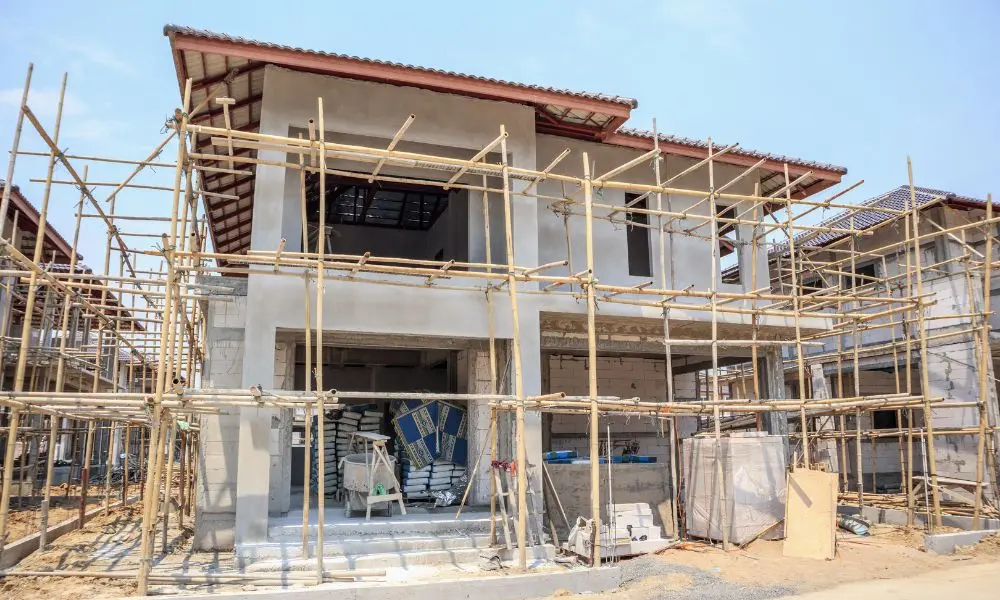
Home construction in Durham brings significant environmental costs that are often hidden from daily view. While new homes add comfort and choices for residents, every step of the construction process, from site clearing to long-term maintenance, can result in environmental harm if not carefully managed.
The Initial Impact: Land and Water
Building new homes in Durham often involves clearing land and removing trees that hold soil and filter rainwater. This leads to increased erosion and sediment pollution in waterways like Lick Creek, harming aquatic life and introducing bacteria and heavy metals. Sediment pollution is a major issue in North Carolina.
- Loss of plant roots from grading increases soil runoff.
- Polluted runoff can destroy fish habitats and reduce water quality for residents.
- Long-term changes to natural water flows can worsen flooding in low-lying Durham neighborhoods.
Energy Use and Carbon Emissions
Constructing homes in Durham requires significant energy for producing materials like concrete, steel, and asphalt, leading to high carbon emissions. Traditional building methods often prioritize functionality over energy efficiency, resulting in increased energy consumption for heating and cooling homes.
- Energy used before, during, and after construction all contribute to Durham’s carbon footprint.
- Less efficient homes mean higher utility bills and more greenhouse gas emissions over time.
- Sustainable features like extra insulation and energy-efficient windows can help reduce these impacts.
Material Choices and Hidden Waste
Home building creates waste from excess material, packaging, and offcuts. In Durham, common materials like concrete and timber, if not sourced or disposed of properly, add to landfill burdens and local pollution problems.
- Recyclable or reclaimed materials, like reused bricks or metal, lower waste and give homes a unique look.
- Using zinc-coated steel in construction can double the lifespan of roofs and foundations compared to traditional methods, reducing repairs and further waste.
- Every step to minimize material waste reduces costs and helps Durham move closer to its carbon-neutral goals.
Water Management Challenges
Hard surfaces like rooftops and driveways block rain from soaking into the ground. This leads to more stormwater runoff, which can pick up chemicals and debris as it flows into Durham’s creeks and rivers.
Without proper planning:
- Runoff causes flooding during storms, damaging both homes and natural areas.
- Polluted water harms the community and the environment.
- Green strategies like installing rain gardens or vegetated trenches help absorb and clean stormwater before it enters Durham’s waterways.
Toward Greener Home Construction in Durham
Durham is addressing these hidden costs by adopting better building standards and supporting eco-friendly construction. Programs encourage builders to use stormwater controls and energy-saving materials, while new partnerships train students for green jobs and help weatherize existing homes.
- Local efforts include expanding solar power, creating green spaces, and promoting Leadership in Energy and Environmental Design (LEED) homes.
- Homeowners can lower their environmental impact by asking about energy efficiency, recycled materials, and water-saving features when building or buying a home.
Takeaway
Home construction in Durham provides shelter and supports growth, but it often comes with hidden environmental costs. By understanding these challenges and supporting sustainable choices, Durham residents can help protect local streams, forests, and clean air for generations to come.
