

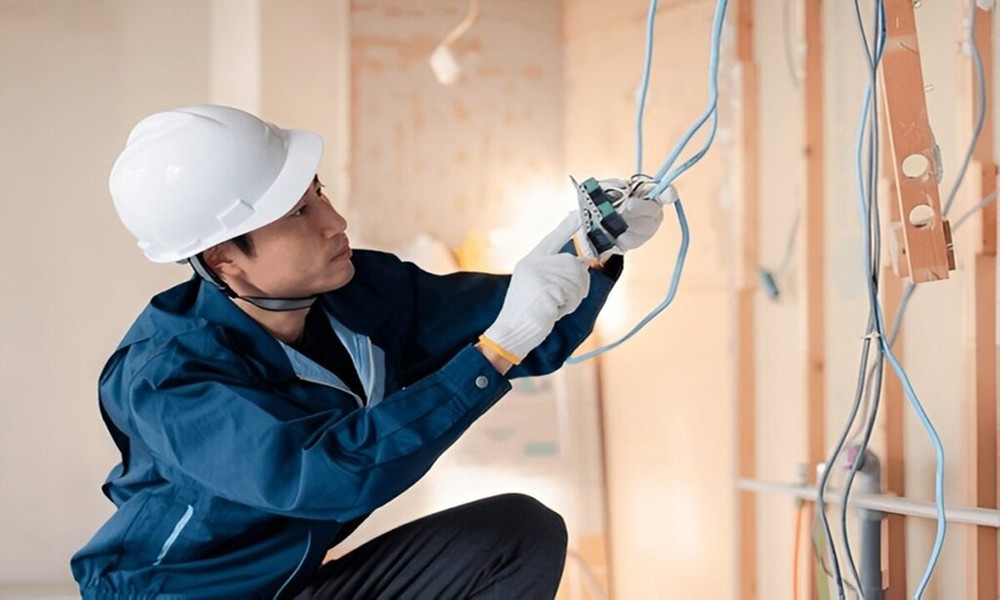
A licensed electrician Singapore properties need for electrical repairs and installations works within a regulatory framework that distinguishes professional electrical work from DIY attempts or unqualified contractors. Singapore’s Electricity Act and the regulatory oversight of the Energy Market Authority (EMA) define who may legally carry out electrical work in the country, what standards that work must meet, and what accountability attaches to the people who carry it out.
The Difference Between a Licensed and Unlicensed Electrician
In Singapore, a licensed electrician has completed formal training, passed EMA-administered examinations, and holds a valid EMA electrical worker licence. This licence specifies the category of work they are authorised to perform. An unlicensed person performing electrical work on wiring, circuit breakers, distribution boards or fixed electrical equipment is in breach of the Electricity Act regardless of whether the work appears competent.
The practical consequences of this distinction extend beyond legal compliance. Electrical work done incorrectly creates fire and electrocution risks that may not manifest immediately. An overloaded cable without proper protection, a loose earth connection, or an incorrectly installed protective device can be physically present in a building for months or years before an incident occurs. When it does occur, the investigation traces back to the work and the person who performed it.
Property owners who engage unlicensed individuals for electrical work also face insurance implications. A fire or electrical damage claim arising from work performed by an unlicensed person may be denied if the insurer determines the work was carried out by an unqualified party.
What a Licensed Electrician in Singapore Can Do
A licensed electrician Singapore holds an EMA-issued electrical worker licence. The licence categories that most residential and small commercial customers encounter are those covering low voltage work: installation, repair and maintenance of the wiring, power points, light fittings, distribution boards and circuit breakers in buildings supplied from the standard 230V single-phase or 400V three-phase residential and commercial supply.
Work within this scope includes:
- Replacing and upgrading power points and light switches
- Installing new lighting circuits and power circuits
- Replacing or upgrading fuse boxes and consumer units (DB boards)
- Fault finding and repair of existing wiring faults
- Installing air conditioning power supplies
- Connecting and commissioning new electrical equipment requiring hardwired connections
Work that requires a Licensed Electrical Worker (LEW) rather than a general licensed electrician includes the testing, certification and sign-off of completed electrical installations. A licensed electrician carries out the physical work; an LEW certifies it.
“In our built environment, the safety of electrical installations is too important to be left to chance or unqualified hands.” – Lee Hsien Loong, Prime Minister of Singapore.
Finding a Licensed Electrician in Singapore
The EMA maintains a public register of licensed electrical workers in Singapore, accessible through the EMA website. The register allows you to verify an individual’s licence status, licence category and whether their licence is currently valid and in good standing. This verification step takes under two minutes and eliminates the risk of engaging an unlicensed individual who presents themselves as qualified.
When engaging a Singapore licensed electrician for repair work, provide a clear description of the problem: what is not working, when it started, whether there have been any recent changes to the electrical system, and whether the problem is isolated to a single point or affects multiple circuits. This information allows the electrician to estimate the likely cause and the work scope before arrival, which produces more accurate quotes.
For emergency electrical faults, including circuit breakers that repeatedly trip, burning smells from electrical outlets, or partial loss of power to the property, engage a licensed electrician as a priority. These symptoms can indicate conditions that pose immediate risk and should not be investigated by untrained persons.
What to Expect During the Service Visit
A professional electrical repair Singapore service begins with the electrician assessing the fault before quoting for the repair. A trustworthy electrician provides a written or clearly verbal quote covering the work to be done and the cost before beginning. Work started without a quote accepted by the customer is a practice worth declining.
During the work, the electrician isolates the affected circuit or circuits using the distribution board before opening any electrical fitting. Working on live circuits without proper isolation is a standard violation among unqualified practitioners and a clear sign that someone is not following safe working procedures.
After completing the repair, the electrician should test the circuit to confirm it is working correctly and that there are no residual faults. For significant work including distribution board replacements or new circuit installations, the work should be tested and certified by an LEW.
Maintaining Electrical Safety in Your Property
Beyond repairs, periodic inspection of your property’s electrical installation by a licensed electrician identifies deterioration before it becomes a fault or an incident. Older properties, particularly those built before the current wiring standards were adopted, may have wiring that is still functional but is approaching the end of its safe service life.
Signs that a property’s electrical installation warrants professional inspection include flickering lights without an obvious cause, power points that are hot to the touch, circuit breakers that trip more frequently than usual, and persistent burning smells from any electrical fitting. These symptoms warrant immediate inspection by a licensed electrician rather than an extended period of monitoring.
A licensed electrician Singapore property owners can rely on combines current technical knowledge, EMA registration, appropriate insurance, and the professional accountability that distinguishes properly qualified electrical work from its alternatives.
