

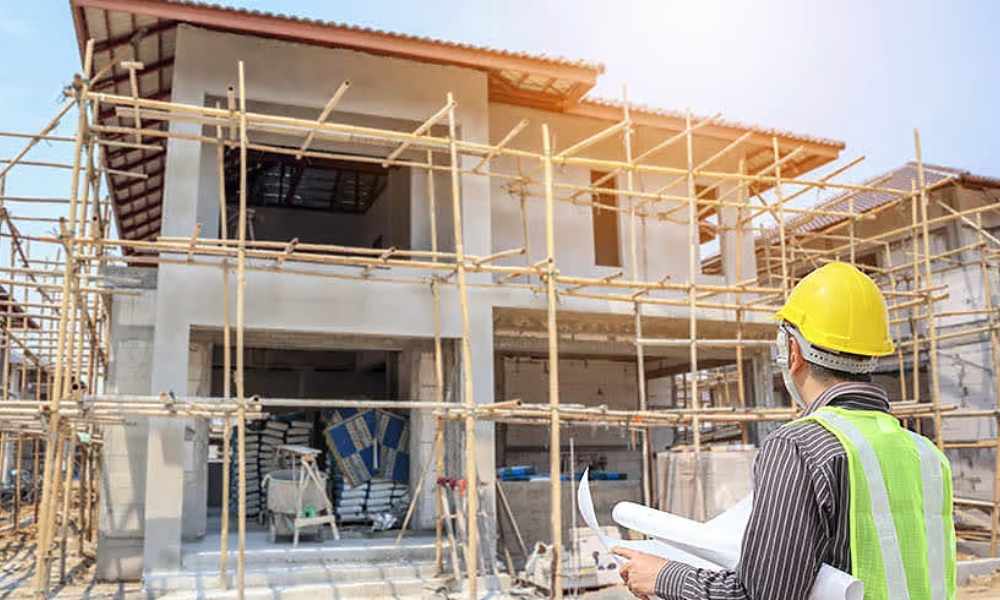
The housing industry is experiencing a quiet yet powerful transformation, with modular construction emerging as a game‑changer. In Lancaster, this approach is gaining steady attention as it offers faster building timelines, reduced costs, and innovative designs without compromising quality.
Unlike traditional methods, modular construction relies on off‑site manufacturing, where sections of a house are built in controlled environments before being transported and assembled on location.
What Makes Modular Construction Different?
Modular construction sets itself apart from conventional building in several key ways. Instead of constructing a home fully on-site, modules are prefabricated indoors using advanced techniques. Once ready, they are delivered to the chosen site in Lancaster and joined together to create a complete structure.
The main advantages include:
- Efficiency: Modules are built simultaneously instead of one step at a time, cutting overall project duration.
- Reduced Waste: Controlled factory settings allow better use of materials and fewer errors.
- Quality Control: Indoor construction ensures consistent standards, avoiding weather delays.
- Affordability: Shorter timelines and reduced labor costs provide significant savings.
For buyers and developers in Lancaster, these benefits mean reliable delivery schedules and homes that often cost less while still meeting energy efficiency targets.
Why Lancaster Is a Strong Fit
Lancaster blends historic character with modern housing needs, making it an ideal place for modular construction. Many residents seek affordable housing solutions while preserving the city’s architectural charm. By using modular methods, builders can develop sustainable projects that complement Lancaster’s growing neighborhoods without disrupting the local environment.
Another factor that makes Lancaster suitable is its demand for flexible housing. From starter homes for young families to larger properties for growing households, modular building adapts easily. Designs can be adjusted to the desired layout, allowing residents to choose homes that fit their lifestyle without long construction wait times.
Environmental and Social Benefits
Beyond cost and speed, modular construction also supports Lancaster’s goal of sustainable growth. Pre‑built modules use precise cutting methods, which lower material consumption. Many factories also focus on eco‑friendly materials, reducing the environmental footprint.
Social benefits include:
- Quicker access to housing for families in need.
- Reduced disruption in neighborhoods, since site assembly is faster and less noisy.
- Greater safety for workers, who spend more time in controlled indoor spaces.
For a city like Lancaster, where balancing historic preservation with modernization is key, modular housing offers a way to build responsibly.
The Future of Housing in Lancaster
As demand for housing rises, modular systems will likely become a central part of Lancaster’s development strategy. Builders are already working with local planners to integrate this method into residential projects. With rising awareness about sustainability and affordability, more communities will embrace homes that are sleek, practical, and faster to complete.
For Lancaster residents, modular construction represents more than just an alternative method. It is a silent revolution shaping how homes are designed, built, and lived in. Offering speed, quality, and flexibility, it holds the promise of making modern housing more accessible while supporting the character of a growing city.
