

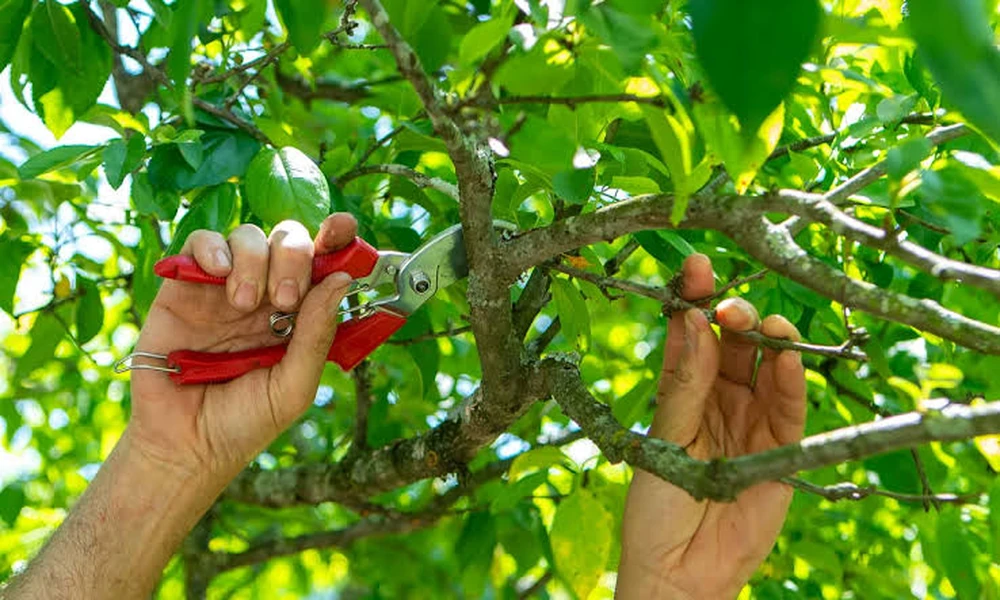
Pruning is often regarded as the simple end of tree work, something any crew with a saw and a ladder can manage. The opposite is closer to the truth. A removed tree cannot be damaged further, but a badly pruned one can be left unstable, diseased or disfigured for decades. Choosing a tree pruning contractor singapore is therefore less about finding the lowest price per tree and more about confirming that the people making the cuts understand what each cut does.
Why Pruning Quality Matters
Every cut is a wound that the tree must seal. Made in the right place, just outside the branch collar, it closes over cleanly. Made flush against the trunk or left as a long stub, it invites decay that spreads inward over years. Removing too much foliage at once starves the tree and triggers a flush of weak shoots. The effects are slow to appear, which is why poor workmanship often goes unnoticed until a limb fails long after the invoice has been paid.
Qualifications Worth Asking About
Formal training is the clearest indicator of competence. In Singapore, arborists may hold certification from the International Society of Arboriculture, and the National Parks Board supports professional training through its Centre for Urban Greenery and Ecology. Ask whether a certified arborist will inspect the trees and specify the work, and whether the climbers themselves have been trained in tree work at height. A contractor who is comfortable naming the individuals and their credentials is generally one who invests in them.
Insurance and Safety Compliance
Tree work combines height, sharp tools and heavy falling timber, so the consequences of an accident are serious. Request evidence of public liability insurance and work injury compensation cover, and check that both are current. Ask for a risk assessment and a description of the safe work procedure for your site. Crews should arrive with helmets, harnesses, ropes in good condition and barriers for the work zone. Reluctance to provide documents is a reason to look elsewhere.
How the Site Visit Is Conducted
The initial inspection reveals a great deal. A capable contractor walks around each tree, looks up into the crown, checks the base and asks what the owner wants to achieve. The better firms comment on the whole site, noting where drainage, compaction or an irregular grass cutting service may be affecting the condition of the roots and the turf around them. Be cautious of anyone who quotes within a minute or two, or who proposes the same treatment for every tree.
Reading the Quotation
A useful quotation describes the work tree by tree. It should name the type of pruning proposed, such as crown cleaning, thinning, lifting or reduction, and give an indication of how much will be removed. Vague phrases like trim all trees leave the crew free to do as much or as little as suits them. The document should also state how debris will be disposed of, what equipment will be brought, how long the job should take and what is excluded.
Practices That Should Raise Concern
Certain proposals signal a lack of knowledge. Topping, where the upper crown is cut back to bare stubs, is the most common and the most harmful. Lion-tailing, which strips the inner branches and leaves tufts at the ends, increases the chance of breakage. Climbing with spikes on a tree that is to be retained wounds the trunk needlessly. Sealing cuts with paint is outdated. A contractor who recommends any of these as routine is working from habit, not training.
Experience With Local Species and Rules
Tropical species grow quickly and respond to pruning in different ways. Rain trees, angsanas, yellow flames and mango trees each have their own habits of regrowth and their own typical defects. A contractor familiar with them will prune accordingly and advise a realistic return interval. Knowledge of regulation matters too: while pruning is not felling, heavy work on a protected tree can attract scrutiny, and an informed firm will know when the National Parks Board should be consulted.
Clean-Up and Aftercare
The condition in which a site is left says much about a contractor. Branches should be chipped or removed, sawdust and leaves cleared from lawns, drains and roofs, and any damage to turf or paving made good. A careful firm will also report what it observed in the crown, such as decay, pests or weak unions, and recommend when the tree should next be seen. Ask whether such a written summary is included, because it turns a single visit into the start of a maintenance record.
Capability Beyond the Canopy
Some owners prefer a single firm for all outdoor work, and there are advantages to that. A company able to handle planting, turfing, drainage and landscape construction as well as pruning understands how the trees fit into the wider site and can protect them during other projects. It should not, however, replace specialist competence. Confirm that the pruning itself is still directed by a qualified arborist and not treated as a minor line within a general maintenance package.
Narrowing the Shortlist
Obtain at least two or three quotations based on site visits and compare them on scope before price. Favour the contractor who explained what each tree needs and why, who produced insurance and safety documents without prompting and who was willing to recommend less work where less was appropriate. Ask for a recent reference from a comparable property. Start with a single visit, inspect the results from the ground and decide on a longer arrangement only once the standard has been proven.
