

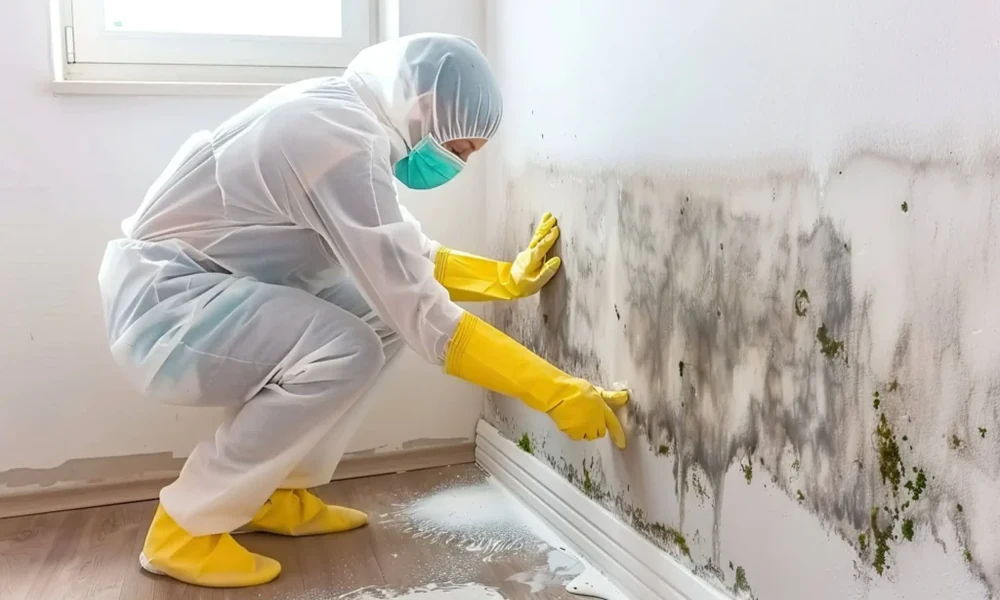
Water damage introduces heavy moisture into structural materials. This moisture creates an ideal breeding ground for harmful fungal spores. Therefore, immediate intervention remains absolutely critical for your property safety. Property owners must understand the mechanics of fast mold growth. Now, the danger begins within hours of the initial flooding event. You cannot afford any delay during this crucial initial window. Left unchecked, the hidden dampness destroys your valuable drywall and flooring.
The Core Elements of Fungal Growth
Mold requires moisture and organic matter to grow successfully. Drywall, wood, and carpets provide excellent food sources. Therefore, you must eliminate the moisture source immediately. Standing water continues to soak into your porous walls. So, fast extraction stops the progressive damage to your home. Dehumidification becomes the next essential phase of the cleanup. Columbia Water Restoration handles these complex drying processes with precision. But hidden pockets of dampness often evade standard visual inspections. You must look behind baseboards and beneath your laminate floors.
Professional Extraction and Structural Drying
Industrial fans accelerate the natural evaporation process quite significantly. However, simple air circulation is not enough for total drying. You also need heavy commercial dehumidifiers to capture airborne moisture. The drying equipment must run continuously for several days. Sometimes, materials look completely dry on the outside surface. But internal moisture levels can remain dangerously elevated for weeks. Columbia Water Restoration monitors these hidden moisture levels with advanced sensors.
Antimicrobial Treatments and Sanitation
Sanitation steps eliminate microscopic spores before they multiply rapidly. You must apply specialized antimicrobial solutions to all affected surfaces. These professional formulas inhibit future fungal development on organic materials. Standard household cleaners often fail against deep structural contamination. But professional treatments penetrate deep into porous wood framing elements.
Managing Hidden Moisture in Cavities
Wall cavities trap stagnant humid air for long periods. You must remove saturated insulation to prevent deep mold colonies. Trapped dampness quickly rots the internal wooden studs over time. So, proper ventilation of enclosed spaces requires strategic drywall cuts. Air must circulate freely inside the exposed wall framing sections. Columbia Water Restoration services ensure thorough moisture tracking in hidden zones. Technicians utilize thermal imaging cameras to locate trapped water pockets. This technology prevents secondary damage from overlooked wet areas. Complete eradication requires total visibility of the underlying structure.
Long Term Maintenance and Monitoring
The restoration process ends only after achieving baseline dryness levels. You must monitor indoor humidity levels with a reliable hygrometer. Indoor humidity should always remain below fifty percent for safety. Continuous airflow prevents the stagnation of humid indoor air effectively. But you must also inspect the roof and foundation regularly. Sump pumps require seasonal testing before heavy seasonal rainfall events. Therefore, proactive maintenance prevents the recurrence of severe water damage. You protect your property investment through consistent vigilance and repairs.
