

Key Takeaways
- Families often use living rooms for several shared activities, making durability, storage, and flexible seating important considerations.
- Couples may balance shared activities with individual routines, requiring layouts that can accommodate both.
- Singles often use the living room for multiple purposes, including relaxing, working, exercising, dining, and hosting.
- Furniture choices can reflect household size, available floor space, storage needs, and how frequently the room changes function.
- Flexible furniture, such as a modular sofa or a foldable sofa bed, can support changing uses where space is limited.
Introduction
The living room is usually one of the most adaptable areas in a home. However, the way it is used can differ considerably depending on household size, daily routines, available space, and whether residents regularly host visitors.
Families may need an area that supports several people and activities at the same time, while couples often organise the room around shared and individual routines. Singles may place greater emphasis on making one area perform several functions. These differences influence furniture selection, storage, seating arrangements, and the amount of open floor space required.
Families Often Need Flexible and Durable Living Spaces
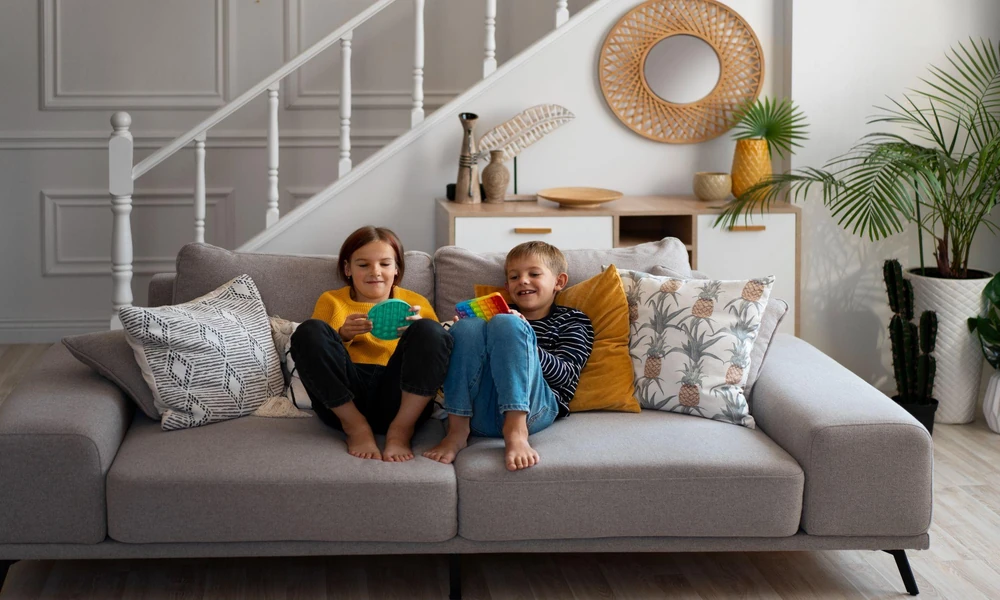
Family living rooms frequently support several activities throughout the day. Adults may use the room for relaxation or conversation, while children may use the same area for playing, reading, or other activities.
As a result, families may consider practical features such as:
- Seating that can accommodate several household members.
- Surfaces and upholstery that can withstand regular use.
- Storage for toys, books, electronics, and other everyday items.
- Open areas that allow household members to move around safely.
- Furniture that can be rearranged when activities or household needs change.
A modular sofa in Singapore, for example, may suit households that want to adjust seating arrangements according to available floor space or changing requirements. Separate sofa sections can potentially be configured differently when the room needs to accommodate guests or other activities.
Storage also becomes relevant because several people may keep belongings in the same communal area. Cabinets, shelves, storage furniture, and organised entertainment units can help keep frequently used items accessible without occupying unnecessary floor space.
Overall, family living rooms often need to balance shared seating, durability, organisation, and flexibility.
Couples Often Balance Shared and Individual Activities
Couples generally have fewer occupants to accommodate than larger families, but their living rooms may still serve several purposes. The space can support shared activities while also allowing each person to follow separate routines.
Common uses may include watching television, reading, entertaining visitors, dining, or working from home. Furniture placement can therefore influence whether these activities can occur comfortably without repeatedly reorganising the room.
| Living room consideration | How it may support couples |
| Comfortable seating | Supports shared relaxation and entertainment |
| Separate chairs or seating zones | Allows simultaneous individual activities |
| Flexible tables | Can support dining, work, or entertaining |
| Storage | Keeps shared belongings organised |
| Adaptable furniture | Makes it easier to accommodate occasional guests |
Couples who frequently host overnight visitors may also consider furniture with more than one function. A foldable sofa bed can provide everyday seating while converting into temporary sleeping space when required, reducing the need for a permanent guest bed.
The main requirement is therefore often balance. A couple’s living room may need to support shared time, individual activities, and occasional entertaining without dedicating the entire space to one purpose.
Singles Often Prioritise Multi-Purpose Functionality
For a single-person household, the living room may become a highly multi-purpose part of the home. This is particularly relevant when the property does not include separate rooms for working, entertaining, exercising, or accommodating visitors.
One living area might therefore function as:
- A place for watching television or reading.
- A home-working area during the day.
- A dining space at mealtimes.
- An exercise area when furniture is moved aside.
- A social space when friends visit.
- Temporary guest accommodation when needed.
Furniture that performs several functions can help reduce the number of individual pieces required. For example, a foldable sofa bed can combine seating and occasional sleeping functions, while nesting or extendable tables can adapt to different activities.
Singles may also have greater freedom to arrange the room around personal routines because they do not need to accommodate the everyday preferences of multiple household members. However, careful space planning remains important when one room has several purposes.
Ultimately, multi-purpose functionality allows a single living area to support different activities without requiring separate dedicated rooms.
FAQs
How does household size affect living room design?
Household size can influence seating capacity, storage requirements, circulation space, and the number of activities occurring in the room. Larger households generally need to accommodate more people and belongings within the shared area.
What furniture works well in a multi-purpose living room?
Furniture that can be moved, rearranged, folded, extended, or used for more than one purpose can support changing activities. Examples include modular seating, nesting tables, storage furniture, and convertible sofas.
Why might families choose modular living room furniture?
Modular furniture allows individual sections to be rearranged according to changing seating or floor-space requirements. This can be useful when household activities, guest numbers, or room layouts change over time.
Is a modular sofa suitable only for families?
No. Modular seating can also suit couples and singles who want to change their furniture configuration or make more efficient use of available space. Suitability depends on room dimensions, layout, and individual requirements.
How can singles prepare a living room for overnight guests?
Convertible furniture can provide temporary sleeping arrangements without permanently occupying floor space. A sofa bed is one option where a separate guest bedroom is unavailable.
Visit TheFurniture to create a living room that works for the way you live today-and tomorrow.
