

Plenty of water problems can be diagnosed at home with nothing more than a meter and a little patience. Others cannot. Knowing the difference saves time and money, and it keeps a minor concern from growing into a major one. This guide covers what you can check yourself, where those checks run out, and when professional detection is the smarter choice.
Start With the Water Meter
The meter is the most useful tool you already own. It records every drop that passes into your property, which makes it a reliable witness.
To run the test, switch off every tap and water-using appliance, including ice makers and irrigation. Note the meter reading, wait an hour or two without using water, and check again. If the number has changed, or a small dial or triangle indicator is spinning, water is escaping somewhere. If nothing has moved, the leak is unlikely to be on the supply side of the meter.
Simple Checks Around the Home
Once the meter confirms a problem, work through the common suspects:
- Toilets: add food colouring to the cistern and see whether colour reaches the bowl without flushing.
- Taps and showerheads: look for steady drips, even slow ones.
- Appliances: inspect the hoses behind washing machines and dishwashers.
- Hot water system: look for moisture around the base and the pressure relief valve.
- Outdoor taps and hoses: check connections for weeping or spraying.
- Irrigation: run the system and watch for pooling water or broken heads.
These checks are straightforward, and many fixes, such as replacing a washer or a flapper, are inexpensive.
Reading the Clues Outside
Walk the property and look for lawn that is greener or softer than the rest, spongy ground or damp spots along the likely route of the water line. These clues support your suspicion, but they rarely show exactly where the leak is, because water travels.
Where DIY Reaches Its Limit
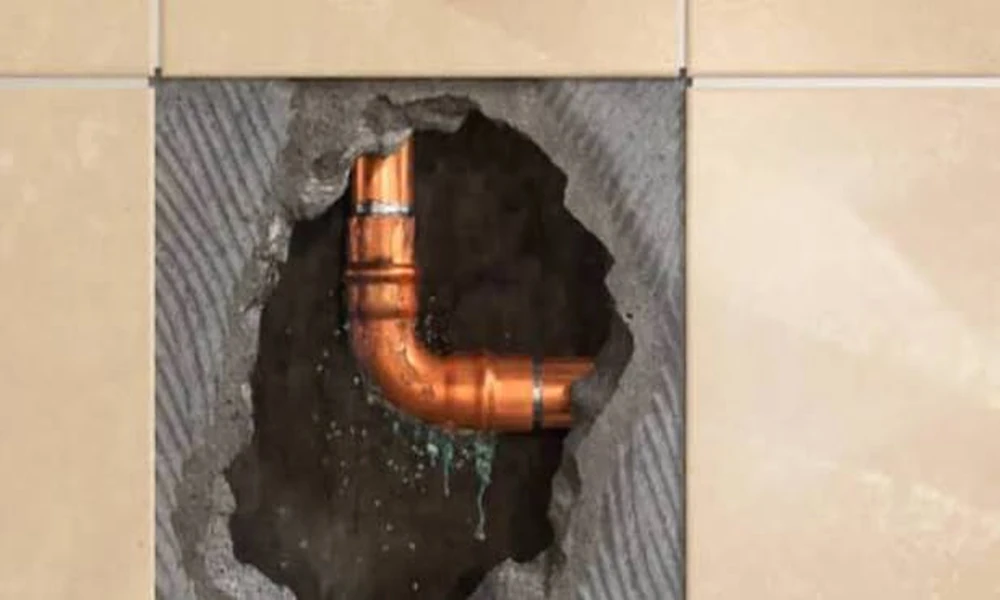
Household checks stop being useful when the meter keeps moving but you cannot find a visible cause. At that point, the leak is probably hidden in a place you cannot reach: underground, inside a wall, under a slab or beneath the floor. Guessing at these locations leads to unnecessary digging, damaged surfaces and repeated disappointment.
This is the moment to bring in equipment designed for the job. Professional underground water leak detection services use acoustic listening devices and pipe tracing to locate buried leaks accurately. Instead of opening large trenches, the technician identifies a small, specific point to repair.
When the Problem Is Under the House
If you notice musty smells, damp floorboards, mould on lower walls or a meter that moves despite clean results above ground, the sub-floor space deserves attention. Crawling under a house to hunt for a leak is uncomfortable, and it often misses the problem, because water hides behind other pipes and in insulation or soil.
A specialist under house water leak detection assessment can use moisture meters, thermal imaging and acoustic tools to find the source safely. It also gives you a clear report on the condition of the area, which is helpful before any repairs begin.
Weighing the Cost of Waiting
It can be tempting to hold off, especially when the leak seems small. But the cost of waiting is usually greater than the cost of checking. Water continues to escape, bills continue to climb, and the surrounding structure absorbs moisture the entire time. Soil can erode, timber can rot and mould can spread.
A professional visit has a clear price, while an ongoing leak has an open-ended one. Acting early tends to keep the repair small and predictable.
What to Look for in a Provider
Not all providers work the same way. When you choose someone to investigate a hidden leak, consider asking:
- What equipment and methods do you use to locate leaks?
- Will you provide a written report with findings?
- Do you aim to minimise digging and disruption?
- How will you explain the next steps once the leak is found?
- Is the cause confirmed before any repair is recommended?
Clear, confident answers to these questions are a good sign that the work will be accurate and well explained.
Practical Tips Before the Visit
Note your meter reading and any change you observed during your test, write down when symptoms began, and clear access to the meter and the sub-floor hatch. This helps the technician narrow down the search from the start.
After the Leak Is Found
Once the source is located, you can plan the repair with confidence. Ask for a clear explanation of the options and likely timeframes, and keep a copy of the report. If the leak affected your water bill, you may want to contact your water provider to ask whether any allowance or adjustment is available, as policies differ between suppliers.
Final Thoughts
DIY checks are a valuable first step, and the meter test in particular can tell you a great deal in a short time. But when the evidence points to a hidden leak, professional detection is faster, cleaner and more reliable than guesswork. Knowing where your own checks end and expert help begins is the best way to protect your home and your water bill.
